eSIM or One Hotspot for a Multi-Country Southeast Asia Trip?
Quick Answer
Solo backpacker, unlocked eSIM phone? A regional Southeast Asia eSIM is the lighter fix. Two or more people, a laptop in your bag, or an older carrier-locked handset? One WiFi 6 hotspot for Southeast Asia & Greater China makes more sense. Install the eSIM before you fly. Don't activate it until you land. UROCOMM sells both, and they overlap across Cambodia, Indonesia, Laos, the Philippines, Thailand, Malaysia, Singapore, and Brunei.
The route split: eight countries, two different devices
A typical Southeast Asia loop hits the same eight countries: Cambodia, Indonesia, Laos, the Philippines, Thailand, Malaysia, Singapore, and Brunei. UROCOMM’s Asia regional eSIM covers all eight in one profile. The WiFi 6 Portable Travel Hotspot – Southeast Asia & Greater China (No SIM Needed) also targets that corridor, plus parts of Greater China. Compare just the country lists and both options look identical.
That overlap hides the real decision. Coverage is not usability. An eSIM lives inside your phone. A hotspot is a second device you charge and carry. The gap shows up the moment your phone is carrier-locked, or when you’re traveling with a laptop and someone else wants data too.
For a more detailed breakdown of the two formats, read our comparison: Portable WiFi hotspot vs travel eSIM: which fits your trip?
| Factor | Regional eSIM | One SEA WiFi 6 hotspot |
|---|---|---|
| Countries covered | 8 Southeast Asian countries in one profile | Same 8 plus Greater China |
| Device needed | Unlocked eSIM-compatible phone | Any WiFi device |
| Share with others | Usually one phone only unless you enable hotspot mode, which drains battery fast | Built-in WiFi for several devices |
| Activation timing | Install before departure; activate only after landing | No SIM needed; device connects via UROCOMM cloud plan |
| Local phone number | No, data-only | No, data-only |
| Battery | Uses your phone battery | Separate battery, charge nightly |
| Physical weight | Zero extra | Extra device, plain plastic case, short charging cable |
The short charging cable and plain grey case on UROCOMM’s hotspot will not impress anyone. That is a harmless trade-off. You pack a power bank anyway.
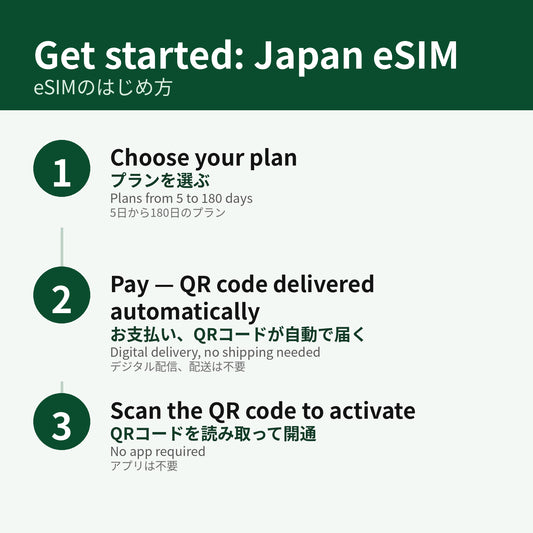
eSIM side: install at home, activate after landing
An eSIM is a digital SIM profile. You download it, scan a QR code or tap a link, and your phone treats it like a second SIM. It only works on unlocked phones that support eSIM. Older iPhones before the XS do not. Some Android phones have the hardware but the feature is disabled by carrier firmware. Locked handset, old device? That decision is already made: use a portable hotspot.
UROCOMM’s Asia regional eSIM covers the eight Southeast Asian countries travelers cross most often. The full coverage list sits on our travel eSIM country coverage page, and you can browse regional options in the eSIM collection.
Do not pre-activate an Asia eSIM
This is where travelers lose days of validity. Install the eSIM profile before your flight. That part is safe. Do not activate the plan at home unless the provider explicitly supports delayed activation. Activation starts the validity countdown. A 15-day plan activated three days before departure loses three days. In some cases, activating outside the covered country can also trigger a roaming connection or fail silently.
UROCOMM’s instructions are direct: install before travel, activate only when you land. That single step saves you from early expiration and a charge you didn’t need. For more on how activation timing affects travel eSIMs, see Which Countries Does a Travel eSIM Cover?
Hotspot side: one box, no SIM juggling
The WiFi 6 Portable Travel Hotspot – Southeast Asia & Greater China does not require a physical SIM. No SIM in Phnom Penh, no second SIM in Jakarta. The device connects through UROCOMM’s cloud-managed network and switches carriers as you cross borders. You connect your phone or laptop to its WiFi. That is the entire setup.
If you travel with a laptop, or need to share data with a companion, a hotspot keeps your phone from turning into a battery-draining router. Turn it on, connect a couple of devices, drop it back in your bag. The trade-off: you must charge it every night. Forget, and you have a useless plastic box until you find a power outlet.
For a solo traveler who only needs phone data, a hotspot is often unnecessary extra weight. For groups, it beats buying separate eSIMs and tracking separate validity windows.
The China and outlier problem
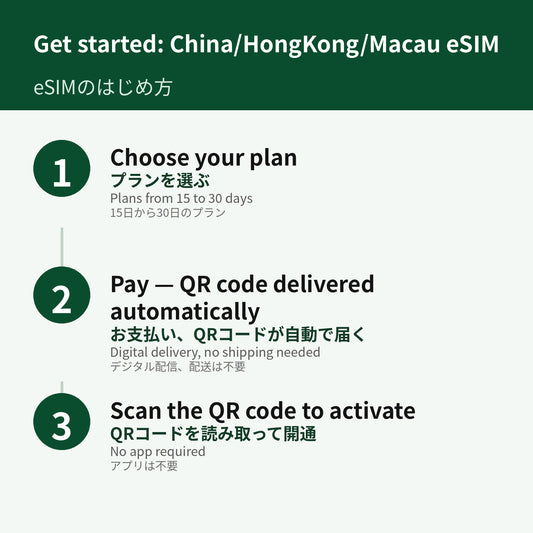
Southeast Asian eSIMs often exclude mainland China. If your route includes Hong Kong or the mainland, check the exact country list before paying. The UROCOMM Asia 30+ Regions WiFi Data Plans cover 30+ regions including China, Cambodia, and Brunei, and run from 7 to 30 days. That plan works with UROCOMM portable WiFi devices, not with a phone eSIM.
Journey extends far beyond Southeast Asia? UROCOMM also sells a global portable WiFi hotspot covering 130+ countries. For a pure Southeast Asia loop, that extra reach is more than you need, and it costs more to run. Not the default pick for this route.
China has its own connectivity rules. Our China Travel Connectivity Guide explains how eSIM, WiFi, and physical SIM options differ across that border.
Two scenarios where the choice flips
One person, one phone, unlocked, eSIM-compatible. Take the Asia regional eSIM. No extra device. Install the profile at home, activate it after you land in Bangkok or Siem Reap. Your phone battery is the only thing you manage. In Thailand for the first leg? Our Thailand connectivity guide covers network quirks like ride-hailing SMS verification, which neither eSIM nor hotspot solves.
Two or more people, or one person with a laptop and an older locked phone. Take the WiFi 6 hotspot. One shared connection instead of SIM swapping, and any WiFi-capable device can join. You pay for one data plan instead of two or three. The downside is battery management and the extra weight.
There is no universal price winner. Cost depends on data volume and trip length, and on how many devices need internet. UROCOMM does not publish a fixed price for every route, so compare the current data plan price on the product page before you decide.
FAQ
Can one eSIM cover Cambodia, Thailand, Malaysia, Singapore, and Indonesia on the same trip?
Yes, if you pick a regional Asia eSIM that lists all five countries. UROCOMM’s Asia regional eSIM covers those five plus Laos, the Philippines, and Brunei. Check the specific country list on the eSIM collection page before purchase.
Do I need a local SIM for the UROCOMM Southeast Asia hotspot?
No. The WiFi 6 Portable Travel Hotspot – Southeast Asia & Greater China is sold as “No SIM Needed.” It connects through UROCOMM’s cloud-managed plan and switches networks across the covered countries without you buying a local SIM.
Should I activate my eSIM before my flight?
Not unless UROCOMM’s instructions for that specific plan say delayed activation is allowed. Activation usually starts the validity countdown, and activating outside the covered country can cause early expiration or roaming issues. Install the profile before departure; activate only after you land.
Which option works better for two people on a three-week trip?
A hotspot, because you share one plan and one connection. Two separate eSIMs also work if both phones are unlocked and eSIM-compatible, though you then have two validity windows to track. And if one person carries an older locked phone, the hotspot is the only workable option.
Bottom line
Solo backpacker, unlocked eSIM phone: the regional Asia eSIM is the practical default. Install it at home, activate it in your first Southeast Asian country, carry a power bank.
Two or more people, or a phone that blocks foreign eSIM: the WiFi 6 Portable Travel Hotspot – Southeast Asia & Greater China. It trades a little extra weight for much less SIM juggling.
Before you pay, check the coverage list on the product page — and check your own phone. Open settings, look for eSIM. If the option isn’t there, you aren’t choosing between two devices. You’re buying a hotspot.